What Makes Down Syndrome Dating Different in 2026
Down syndrome dating in 2026 reflects a broader cultural shift toward recognizing the full humanity of people with intellectual disabilities - including their right to romantic relationships. The NDSS reports that average life expectancy for people with Down syndrome has increased from 25 years in 1983 to over 60 years today, meaning more adults with Down syndrome are living independently, working, and seeking meaningful partnerships than at any point in history.
This demographic reality has outpaced the technology available to serve it. Until recently, people with Down syndrome who wanted to date had two options: community-organized social events (limited by geography and frequency) or mainstream dating apps (designed for neurotypical users with strong literacy and executive function skills). Neither option provided what this community actually needs: a down syndrome dating app that combines simplicity, safety, and genuine respect for personal agency.
Why Does This Matter?
A longitudinal study by the University of Minnesota (2025) tracked 200 adults with Down syndrome over three years and found that those who maintained consistent social and romantic relationships showed 38% lower rates of depression and 52% higher scores on measures of daily living independence. Relationships don't just improve happiness - they build capability.
Common Myths About Dating Someone with Down Syndrome
Let's break this down: many of the barriers to dating for people with Down syndrome aren't medical - they're social. Persistent myths about intellectual disability and romance create unnecessary obstacles. Here are the facts:
- Myth: People with Down syndrome don't want romantic relationships. Fact: Multiple studies confirm that the desire for romantic connection is universal. A 2024 survey by the Global Down Syndrome Foundation found that 89% of adults with Down syndrome expressed interest in having a romantic partner.
- Myth: People with Down syndrome can't make their own relationship decisions. Fact: While decision-making support may be appropriate in some contexts, adults with Down syndrome routinely demonstrate the capacity to choose friends, express preferences, and communicate boundaries when given accessible tools and adequate time.
- Myth: Relationships for people with Down syndrome are "cute" rather than real. Fact: Infantilizing adult relationships is a form of ableism. People with Down syndrome experience the full range of romantic emotions - attraction, jealousy, heartbreak, devotion, passion - with the same intensity as anyone else.
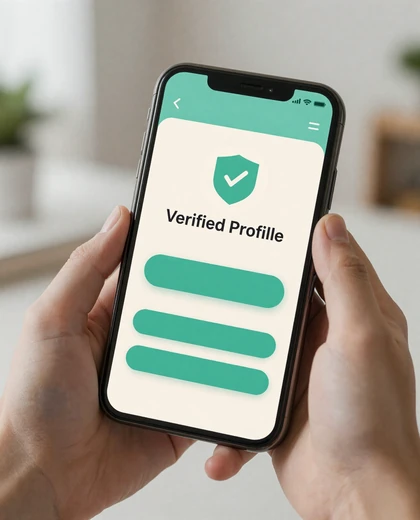
- Myth: Online dating is too dangerous for people with intellectual disabilities. Fact: With proper safeguards - photo verification, monitored messaging options, caregiver support features, and trained moderation - online dating can be significantly safer than unsupervised in-person socializing.
How BeyondLimits Adapts to Different Ability Levels
Here's where it gets interesting: Down syndrome presents across a wide spectrum of cognitive ability. Some members live fully independently, hold jobs, manage finances, and navigate public transportation. Others benefit from daily living support and shared housing. Our down syndrome dating site accommodates this entire range through adaptive interface complexity:
| Interface Mode |
Navigation |
Communication |
Profile Setup |
| Simple Mode |
3 screens, icon-only menu |
Preset messages + emoji |
Photo upload + 5 picture choices |
| Standard Mode |
5 screens, icon + text menu |
Free text + preset + emoji + audio |
Guided prompts with text fields |
| Full Mode |
Complete feature set |
All channels including video chat |
Full customization + bio |
Members can switch between modes at any time, and the platform remembers their preference. Support Circle members can suggest a mode, but only the primary user can activate or change it. This graduated approach mirrors best practices in disability support: providing structure when needed while always preserving the pathway to greater independence.
Building Real Connections Beyond the App
The most successful relationships on our platform follow a natural progression: emoji reactions lead to preset messages, which lead to audio messages, which lead to video chats, which lead to in-person meetups. BeyondLimits supports every stage of this journey with appropriate tools and safety measures. Our date planning feature suggests accessible, public venues and can share location details with Support Circle contacts when a member chooses to meet someone in person.
Community is just as important as individual matches. Our group features let members with Down syndrome connect in moderated interest-based groups - cooking, music, sports, movies - where friendships form organically before romantic interest develops. This lower-pressure social environment builds confidence and communication skills that transfer directly to one-on-one dating. BeyondLimits members also connect with people across our broader disability dating community, including our autism dating and cerebral palsy dating communities, where shared understanding creates natural bonds.
For guidance on when and how to share personal information with potential matches, our blog article on disclosing disability in online dating offers practical strategies that work for members across all ability levels.